




God said in the Bible more than 600 times – FEAR NOT…..
-
- November 1, 2023

The Silent Governor of Humanity
Fear is a potent force that silently but decisively governs the trajectory of human existence. From the dawn of civilization to the complexities of modern society, fear has been an omnipresent companion, shaping our decisions, actions, and even our identities. It manifests in myriad forms, from the primal fear of physical harm to the more abstract fears of failure, rejection, and uncertainty. In the intricate tapestry of human psychology and behaviour, fear weaves its threads, exerting its influence on individuals and societies alike.
One of the most fundamental ways in which fear governs humanity is through its role in survival instincts. Since time immemorial, fear has been an essential mechanism for self-preservation. The fear of danger prompts us to take precautionary measures, to seek shelter from threats, and to avoid potentially harmful situations. This primal fear is deeply ingrained in our psyche, driving us to prioritize safety and security above all else. It compels us to build walls, both literal and metaphorical, to protect ourselves from perceived threats, whether they be physical, emotional, or existential.
Beyond the realm of immediate physical danger, fear exerts its influence in the more nuanced aspects of human interaction and behaviour. Fear of social ostracization, for instance, can dictate the choices we make in our relationships, careers, and personal endeavours. The fear of failure can paralyse us, preventing us from pursuing our dreams and aspirations. Similarly, the fear of rejection can inhibit our ability to express ourselves authentically, leading to conformity and self-censorship.
In the realm of governance and politics, fear has long been employed as a tool of control. Authoritarian regimes throughout history have wielded fear as a means of subjugating populations, using tactics such as intimidation, propaganda, and violence to instil compliance and quash dissent. Even in ostensibly democratic societies, fear plays a subtle yet pervasive role in shaping public opinion and influencing political discourse. Politicians exploit fears of crime, terrorism, economic instability, and other existential threats to rally support for their agendas and consolidate power.
Moreover, fear permeates the fabric of modern consumer culture, driving consumer behaviour and shaping market dynamics. Advertising agencies capitalize on our insecurities and anxieties, selling us products and services that promise to alleviate our fears and fulfil our desires. Whether it be the fear of aging, of inadequacy, or of social exclusion, marketers leverage these anxieties to manipulate our purchasing decisions and perpetuate a cycle of consumption.
Yet, amidst the omnipresence of fear, there exists the potential for liberation. Recognizing the extent to which fear governs our lives is the first step toward reclaiming agency and autonomy. By cultivating self-awareness and emotional resilience, we can begin to unravel the grip of fear and make decisions that align with our values and aspirations. Moreover, by fostering empathy, compassion, and solidarity, we can build communities and societies founded on trust and mutual support, rather than fear and division.
In conclusion, fear is a pervasive and powerful force that governs the human experience in profound ways. It shapes our thoughts, emotions, and actions, influencing everything from our survival instincts to our social interactions, political dynamics, and consumer behaviour. Yet, while fear may be an inescapable aspect of the human condition, it need not dictate our destiny. By confronting our fears with courage and resilience, we can transcend their grip and forge a path toward a more compassionate, equitable, and liberated world.
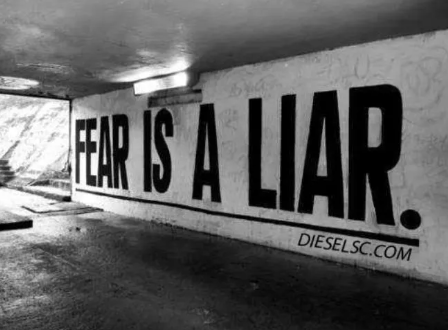
I believe the world is governed by forces that often resort to instilling fear by frequently disseminating falsehoods to the public. These forces manipulate information to coerce people into actions they might otherwise not willingly pursue. During times of crisis and distressing circumstances, individuals tend to be more susceptible to manipulation and are inclined to accept misinformation at face value, especially when it is presented by authorities claiming to possess the means to alleviate the threatening situation.
Furthermore, this manipulation extends beyond mere acceptance of misinformation; it influences the very fabric of society, shaping perceptions, behaviours, and decisions. Fear can be a powerful tool in the hands of those seeking control, as it can prompt individuals to relinquish their autonomy and comply with directives they may not fully understand or agree with. In such situations, critical thinking often takes a backseat to survival instincts, and the collective psyche becomes vulnerable to exploitation by those in positions of power. Thus, the cycle perpetuates itself, with fear breeding compliance and compliance reinforcing the hold of fear over the populace.
